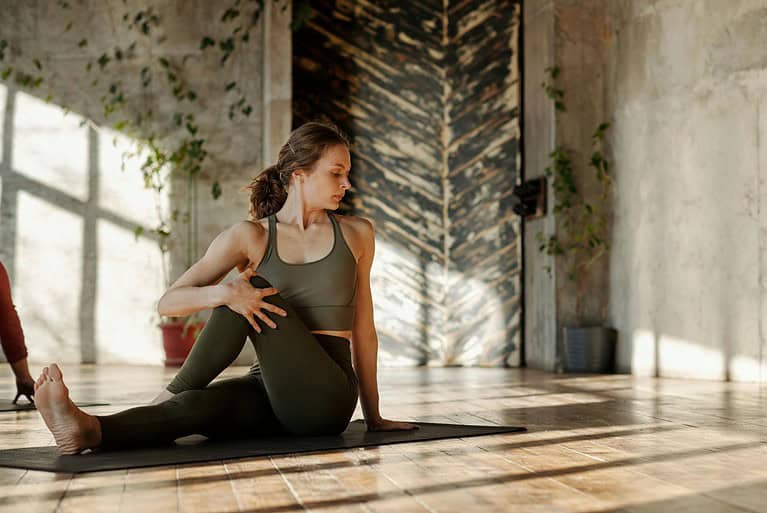
New Year, New Move: Keep fit without the gym in 2026
New Year, New You. This is going to be YOUR year. The year you put those excuses on the backburner. This is the year that you’ll finally run a marathon, become a world-class yogi and qualify to compete in the Olympics—right? We’ve all heard it (and probably said it) before.
The common overindulging as part of the festive period is often followed by a surge in gym memberships in January—in fact, some reports indicate as many as 12% of all sign ups completed in January.
Joining the gym is a classic New Year Resolution, and like clockwork, every January the gym floors become busier. For those first few weeks, you get up when your alarm goes off, you turn up to all the group fitness classes and you’re feeling good. But then life happens and before you know it, all those familiar excuses roll in. Suddenly, your membership fees become more of a charitable donation.
The good news is the gym is not your only option for keeping fit. From walking more to finding opportunities to stretch, there are plenty of ways to add more movement into your day and keep fit without the gym. You’ll feel better, stay energised and boost your health without ever stepping foot into a gym.
Ways to keep fit at work
Staying active at work doesn’t have to be complicated! Even the busiest of days can be improved with a little extra movement. Small, consistent efforts can help reduce stiffness, improve circulation, and energise your body and mind.
Take the stairs instead of the lift
One of the easiest ways to add movement is by swapping the lift for stairs. This gives your leg muscles a quick workout and gets your heart rate up. If your office has multiple floors, challenge yourself to climb a few extra flights daily. Taking the stairs not only burns calories but helps strengthen your muscles over time. Feeling tired? Even climbing slowly is better than staying still. You can always drop down to just one extra flight when you’re feeling low on energy. It’s a tiny change with a big impact on building stamina.
Hold walking meetings
Ever felt your brain function slowly decline when you’re sitting in a stuffy meeting room? Get some fresh ideas and fresh air at the same time by holding a walking meeting! If you’re working remotely, join your Teams call on your phone and set off around the block. Stuck in office? Ask your colleagues to come out on a walk with you while you chat strategy. You can always return to the boardroom once you’re feeling re-energised. Research suggests that movement stimulates creativity so get outdoors and let those creative juices flow!

Exercise at your desk
Yes, you can break a mini sweat without leaving your desk! Desk exercises are perfect for stretching out stiff muscles and boosting circulation. Try seated leg lifts to strengthen your thighs or shoulder rolls to ease upper-body tension. Need ideas? Here’s a simple guide full of desk stretches and activities. For some added team bonding, get your colleagues in on the action.
Stand up while working
Don’t stay glued to your chair. Standing desks are an excellent way to work while reducing time spent sitting. Can’t access a standing desk? No problem! Set reminders to stand every 30 minutes and stretch for a minute or two. Stretching during phone calls or reviewing documents can also make a difference. Studies show that standing not only helps posture but actually improves energy levels. For a standing alternative, check out options like adjustable desk risers to switch between sitting and standing with ease.
By building these habits into your workday, you’ll discover how simple it is to stay active—even in a sedentary job.
Start active commuting
Turning your daily commute into an active one is a practical way to fit movement into your routine without setting aside extra time. By rethinking how you get from place to place, you could build healthy habits with minimal effort—and reap the rewards.
Choose to walk or cycle to work
Walking or cycling to work offers a double win: it gets you moving and saves you money on transport (winning!). Regular activity like this strengthens your heart, boosts your mood, and keeps you sharp during the day. Plus, cycling through city streets or strolling through peaceful neighbourhoods can make your journey much more enjoyable than sitting in traffic or being crammed on public transport. As a bonus, you’ll arrive to work feeling alert, awake and ready to take on the day.
Research supports the idea that people who regularly walk or bike to work are healthier, with lower risks of obesity and chronic diseases. Want to start cycling but don’t own a bike? Many cities now offer bike rental schemes, making it easy to try before fully committing.

Photo by Hilmi Banna.
Try parking further away
If you drive, try parking further away from your destination. It’s a simple change that adds valuable steps to your day. Think about it: those few extra minutes walking in the fresh air could do wonders for clearing your mind before tackling the demands ahead.
Don’t discount the small things either. Even modest activities—like walking from the far end of the car park—can improve circulation, reduce stress, and keep you energised for longer periods.
Challenge yourself to get off public transport early
If you use public transport, consider getting off one or two stops before your destination. This gives you a short built-in walk that can help energise you for the day ahead or wind down afterward. Walking to work, even partially, boosts mental clarity, lowers stress, and helps you feel more connected to your surroundings.
Research shows that incorporating walking as part of public transport use can significantly lower the risk of cardiovascular disease. It’s a small change with big rewards. Plus, this time can be a great chance to listen to an audiobook, catch up on your favourite podcast, or simply enjoy the fresh air.
Exercise isn’t a chore – but chores can be exercise!
Too busy to work out? Think again. Everyday tasks can be turned into fantastic opportunities to move more, burn calories, and strengthen your body—all while ticking off your to-do list.
Cleaning the house
Tasks like vacuuming, scrubbing, and even folding laundry involve lots of movement and can burn a surprising number of calories. For instance, vacuuming engages your arms, shoulders, and core, while mopping the floor works your legs in ways similar to lunges. Even putting a little extra energy into tasks like making the bed or wiping down counters can boost your heart rate—I mean, have you tried putting a fitted sheet on your bed lately?!
According to CottageCare, activities like sweeping floors or cleaning windows can rival moderate-intensity exercise in terms of calories burned. So, the next time you’re tidying up, play some upbeat music to keep the energy high—it turns mundane chores into a full-body workout!

Photo by cottonbro studio.
Gardening
Gardening isn’t just about growing flowers or vegetables; it’s also a great way to stay active outdoors. Raking leaves, digging holes, planting seeds, or pushing a wheelbarrow requires bending, stretching, and lifting. These movements not only build functional strength but also improve flexibility and coordination.
Spending an hour tending to your garden can burn roughly 330 calories, making it a moderate-intensity exercise. Best of all, it’s a peaceful escape from screens and a chance to soak up some much-needed vitamin D.
Playing with kids or pets
Kids and pets are full of energy, and playing with them can keep you fit without you even realising. Games like tag, hide and seek, or even jumping on a trampoline keep you running, bending, and laughing—all fantastic for your health. For the paw-parents, head out for a game of fetch, or take your pup to the park for some high energy off-leash time.
Engaging with pets not only boosts physical activity but also reduces stress and increases overall happiness. Don’t forget letting loose and playing isn’t just for children either! Plus, it’s a great way to bond with your family or fur child while sneaking in some exercise.
Try to make leisure time more active
The secret to adding more physical activity into your day is through making small changes that fit seamlessly into your normal routine. Whether you’re indoors, outside, or even unwinding after work, there are plenty of ways to get your heart rate up.
Head outdoords during your breaks
Use your break time wisely. Instead of scrolling TikTok, try taking a short walk or jog for a quick mental reset. Research indicates that regular walking breaks can help counter the effects of prolonged sitting, like reducing fatigue and improving posture.
Set a timer to remind yourself to step away frrom your laptop. Even walking around the block for 5–10 minutes is enough to clear your head. If you’re up for it, increase the pace—jogging adds a level of intensity that strengthens your heart and burns extra calories.
Join social clubs or classes
Okay, we said no gyms, but group fitness classes can be great way to get some dedicated exercise minutes – and you’ll meet new people as a bonus! Check out a local dance class, a hiking group or join a social football team. Being active with others creates a sense of accountability and makes workouts feel less like a task.
Get your d-moves on!
Why not turn up the music and have a personal dance session? Dancing is one of the best ways to stay active without even feeling like you’re exercising. It’s cardio, it’s mood-boosting, and above all, it’s fun! Clear some space in your living room, blast your favourite playlist, and let loose. Dancing has been shown to improve heart health and strengthen muscles while giving your brain a dose of feel-good endorphins. (Tip: Shut your curtains if you’d rather your neighbors didn’t see your hot moves)
How to stay motivated when life gets busy
It’s easy to lose steam, especially when life gets busy, but you don’t have to stay that way. Figure out what motivates you and keep a list on hand for those tough days.
Set daily activity goals
Setting small, tangible goals is a great way to create a sense of achievement. For example, aim to boost your daily step count by 2000 steps a day or commit to 10 minutes of light stretching before bed. Clear and realistic targets not only keep you on track but make the process feel less overwhelming. I love my AppleWatch for motivating me to close my activity rings each day. Think of it like building blocks—every small success stacks up to a greater achievement over time.
Make sure you choose goals that excite you. You’ll be far more motivated to make time for them when it doesn’t feel like a chore. Find your why and write it down. Are you trying to live a healthier lifestyle? Set a positive example for your children? Train for a 5k? Your why will keep you motivated on those low energy days.
Don’t forget to track your progress
There’s something incredibly satisfying about seeing how far you’ve come. Whether through apps, journals, or wearable fitness trackers, keeping tabs on your activity can keep you motivated. Apps like MyFitnessPal or Fitbit let you track steps, calories burnt, and progress toward your goals in real time.
If you’re more of a pen and paper fan, you can still create a visual tracker. Write your daily step count and goals down in a bullet journal and watch the progress over time. It’s all about building that visual reminder of your hard work.
Find an exercise buddy
Exercising with a friend takes the “work” out of working out. It turns movement into a social, shared experience—whether it’s as structured as a weekly walk or as casual as an impromptu game of catch in the garden. When there’s someone to encourage and hold you accountable, it’s harder to skip out.
A workout buddy doesn’t even need to be human—taking your dog for a morning jog can be just as effective. And while you’re at it, why not make use of group support? Joining a local walking group or sport club can provide that extra nudge when your motivation dips.
Adding more movement into your day isn’t just about fitness—it’s about feeling better overall and honouring your body. Small changes, like walking more or stretching during downtime, can make a noticeable improvement in your mood, energy levels, and long-term health.
What simple way will you start moving more today? Your future self will thank you.